

 Travel Diary
A FIRST-TIMER’S VISIT TO INDIA
India is not just a country you visit. It is a country you experience.
From the grand forts and palaces of Rajasthan to the peaceful backwaters of Kerala, from the spiritual ghats of Varanasi to the wildlife-rich forests of central India and the mountains of the Himalayas, every region has its own character, traditions, flavours and stories.
For a first-time traveller, India can feel exciting, colourful, busy and sometimes overwhelming — occasionally all in the same day. But once you understand its rhythm, you begin to appreciate what makes it so special.
The secret is simple: come prepared, stay curious and leave some room for the unexpected.
Here is our guide to making your first journey through India more comfortable, meaningful and memorable.
1. Don't Try to See All of India at Once
India is enormous. One of the biggest mistakes a first-time visitor can make is trying to fit too many destinations into a single holiday.
Instead of spending most of your trip travelling between cities, choose a region or a few destinations that work well together.
For a classic first experience, Delhi, Agra and Jaipur offer an excellent introduction to India's history, architecture and culture. Add Ranthambore if wildlife interests you, or continue towards Udaipur and Jodhpur for a deeper Rajasthan experience.
If you prefer slower travel, Kerala offers a completely different side of India, with hill stations, spice plantations, beaches and peaceful backwaters.
And if spirituality and culture are your priorities, Rishikesh, Haridwar, Amritsar and Varanasi can provide some of India's most memorable experiences.
Quality of experience matters more than the number of places you tick off.
2. Go With the Flow
India doesn't always run according to the clock.
Traffic, road conditions, weather, local celebrations and unexpected delays can sometimes change your plans. A two-hour journey may take longer than expected, and a busy sightseeing day may need to be adjusted.
Don't let it frustrate you.
Build some flexibility into your itinerary and allow yourself time to enjoy the journey. Sometimes the unexpected roadside stop, local market or conversation with your guide becomes the highlight of the day.
A well-planned holiday should give you structure without making you feel rushed.
In India, the journey is often just as memorable as the destination.
3. Be Ready for India's Energy
India's cities have a rhythm that can take some getting used to.
Delhi can be fast and fascinating. Jaipur is full of colour and heritage. Mumbai is energetic and cosmopolitan. Varanasi is intense, spiritual and unlike almost anywhere else.
You may encounter busy streets, crowded monuments, enthusiastic vendors and curious glances.
Take a breath and enjoy it.
Look beyond the traffic and crowds. Notice the flower sellers preparing their garlands, the chai being poured at a roadside stall, the sound of temple bells or the colours of a local market.
India has an extraordinary ability to make everyday life feel like a spectacle.
India is busy, but it is rarely boring.
4. Dress Comfortably and Respect Local Customs
India's weather varies considerably, but dressing appropriately is about more than temperature.
When visiting temples, mosques, monasteries and other religious places, modest clothing is appreciated. Carrying a light scarf or shawl is always useful.
Comfortable walking shoes are also essential. You'll be exploring forts, palaces, markets, temples and historic neighbourhoods, often on uneven surfaces.
A few simple habits will help you travel respectfully:
Ask before photographing people.
Follow local instructions at religious sites.
Remove your shoes where required.
Avoid pointing at people or religious objects with your feet.
Dress modestly when visiting sacred places.
Learn a few simple local words.
You don't have to know every Indian custom before arriving.
Respect and curiosity will take you a long way.
5. Come Hungry — India's Food Is Part of the Adventure
Indian food is one of the great pleasures of travelling through the country.
And there is no single Indian cuisine.
Rajasthan is known for rich and hearty dishes. Punjab brings wonderful breads and comforting curries. Kerala uses coconut, seafood and aromatic spices. South India is famous for dosas, idlis and sambar.
For your first few days, choose clean, well-reviewed restaurants and freshly prepared food. Drink bottled or filtered water and take it easy with unfamiliar street food until you've settled in.
Vegetarians will find India particularly welcoming, with an enormous variety of delicious meat-free dishes.
And don't be afraid to ask your guide or hotel team what to try.
The best souvenir from India might be a new favourite dish.
6. Stay in a Palace or Heritage Haveli in Rajasthan
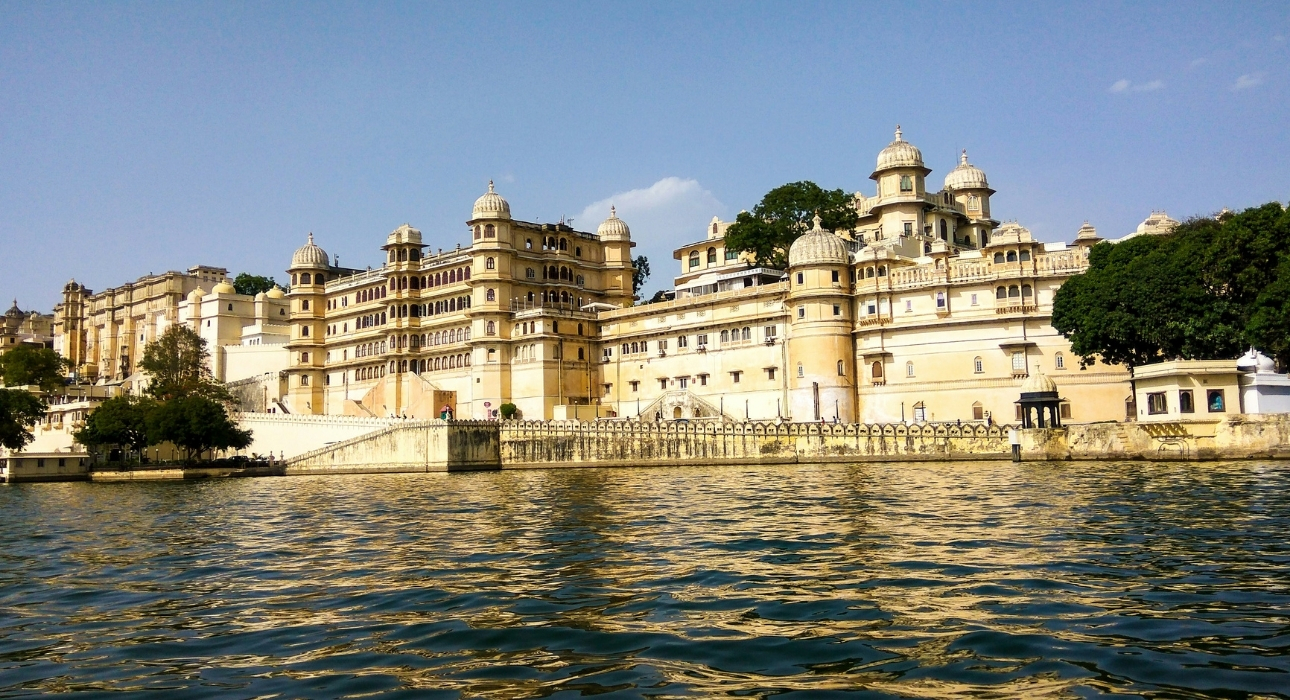
Rajasthan is where India's royal past feels especially alive.
The magnificent forts of Jaipur and Jodhpur and the palaces of Udaipur deserve their place on every itinerary. But don't stop at sightseeing.
Stay in a heritage palace or haveli and experience the atmosphere after the day's visitors have gone.
Enjoy breakfast in a peaceful courtyard, admire traditional architecture, meet local artisans or spend an evening listening to folk music.
For a more intimate experience, venture into Rajasthan's smaller towns and villages.
Rajasthan isn't only about seeing royal India. It's about experiencing it.
7. Slow Down on Kerala's Backwaters
If Rajasthan showcases India's royal side, Kerala reveals its gentler rhythm.
A houseboat journey through Kerala's backwaters allows you to see a quieter side of India.
Glide past coconut palms, rice fields and small villages. Watch fishermen at work and local life unfold along the banks.
As evening approaches, the waterways become calm and the landscape takes on a completely different character.
You don't need a long list of activities here.
Sometimes the best Kerala experience is simply slowing down.
8. Go on a Tiger Safari
India's wildlife is another reason to travel beyond its cities.
Ranthambore, Bandhavgarh, Kanha, Pench and Tadoba are among the country's popular wildlife destinations.
Of course, there is no guarantee that you'll see a tiger.
But that is what makes a safari exciting.
You might encounter spotted deer, sambar, langurs, crocodiles and countless birds while your naturalist follows tracks and listens for alarm calls.
And then, perhaps, the forest suddenly falls silent.
A glimpse of a wild tiger in its natural habitat is a moment you will never forget.
9. Experience India's Spiritual Side
India's spirituality is not confined to temples. It is woven into everyday life.
In Rishikesh, the Ganges flows through the foothills of the Himalayas and becomes the centre of evening prayers and ceremonies.
In Amritsar, the Golden Temple offers an atmosphere of peace and devotion. Spend time beside the sacred pool, observe the prayers and experience the langar, the community kitchen where meals are served to visitors.
These experiences are best approached slowly.
Don't simply take a photograph and leave.
Sit for a while. Listen. Observe. Let the place speak for itself.
10. Experience Varanasi at Dawn and Dusk
Varanasi can be difficult to describe until you've experienced it.
Wake before sunrise and take a boat along the Ganges. Watch the city slowly come alive as pilgrims perform their morning rituals along the ghats.
Then return in the evening for the Ganga Aarti.
The atmosphere changes completely — lamps, music, prayers and crowds gather along the river as the ceremony begins.
See Varanasi twice. The city tells a different story each time.
11. See the Taj Mahal in the Soft Morning Light
The Taj Mahal is one of the world's most photographed monuments, but no photograph quite prepares you for seeing it in person.
If your itinerary allows, visit early in the morning.
The cooler temperatures and softer light create a beautiful atmosphere, while the marble appears to change colour as the sun rises.
Take time to look beyond the famous photograph. Notice the intricate stone inlay, the symmetry of the architecture and the gardens surrounding the monument.
And remember that Agra is more than the Taj Mahal. Its historic fort, local markets and Mughal heritage are worth exploring too.
12. Get Out of the Cities
India's big cities are fascinating, but rural India reveals another side of the country.
Travel through a rural village. Visit a family-run property. Meet a local artisan. Watch traditional crafts being made.
You may find that these simple encounters tell you more about everyday India than another monument ever could.
This is where you see the India of farms, family businesses, local traditions and community life.
Don't just visit India. Meet the people who make it what it is.
13. Discover the Cooler Side of India
India isn't always hot.
Head towards the Himalayan foothills and you'll find pine-covered mountains, colonial-era hill stations and cooler temperatures.
Shimla and Darjeeling are two classic choices, particularly for travellers who enjoy scenic rail journeys and mountain landscapes.
For those with more time, the wider Himalayas offer trekking, monasteries, mountain villages and spectacular scenery.
It's a reminder of just how dramatically India's landscape can change from one region to another.
14. If You Can, Travel During a Festival
India's festivals bring an entirely different energy to the country.
Diwali turns streets and homes into a sea of lights. Holi fills towns with colour, music and celebration.
Regional festivals can be equally fascinating and often offer a more local experience.
If you specifically want to travel during a major festival, plan well ahead.
India during festival season is unforgettable — but popular hotels and transport can fill quickly.
15. Leave Space in Your Suitcase
One thing is almost guaranteed: you will find something you want to take home.
India is a paradise for shoppers, with textiles, handicrafts, jewellery, spices, tea, artwork and traditional souvenirs available across the country.
Explore local markets, browse independent shops and take your time before making expensive purchases.
If you're buying jewellery, carpets or other valuable items, use a reputable seller and ask about authenticity and documentation where appropriate.
And perhaps the best piece of shopping advice?
Pack light. You'll probably need the space later.
16. Be Smart, But Don't Be Suspicious of Everything
Like travelling anywhere else, common sense is your best companion.
Keep important belongings secure, use reputable transportation and be cautious with unsolicited offers.
You may occasionally encounter someone suggesting a particular shop, a special tour or an unexpected detour.
You can simply and politely say no.
At the same time, don't let these possibilities prevent you from interacting with people.
Some of your most memorable moments may come from a conversation with a guide, shopkeeper, hotel host or local family.
Travel wisely, but remain open to people.
The Best India Experiences Are Often the Unexpected Ones
You may arrive in India with a carefully planned itinerary.
But perhaps the moment you remember most will be something completely different.
A cup of chai shared with a local guide.
The sound of temple bells at sunrise.
A quiet evening in a Rajasthan courtyard.
A houseboat drifting through Kerala.
A tiger appearing between the trees.
A boat ride along the Ganges.
Or simply watching everyday life unfold from the window of your car.
These are the moments that turn a holiday into a story.
How Much of India Should You See?
Our advice is simple: don't rush it.
Choose experiences that genuinely interest you and build your journey around them.
For a First Taste of India
Delhi → Agra → Jaipur
History, architecture, markets and India's most famous monument.
For Royal Rajasthan
Delhi → Jaipur → Jodhpur → Udaipur
Palaces, forts, heritage stays, local culture and desert landscapes.
For Wildlife & Heritage
Delhi → Agra → Ranthambore → Jaipur
The Taj Mahal, royal Rajasthan and an exciting tiger safari.
For Spiritual India
Delhi → Haridwar → Rishikesh → Varanasi
Sacred rivers, temples, aarti ceremonies and India's spiritual traditions.
For a Relaxed South India Escape
Kochi → Munnar → Thekkady → Alleppey
Tea plantations, wildlife, spices and the peaceful Kerala backwaters.
For a More Complete India Experience
Combine Rajasthan, Varanasi and Kerala if you have enough time. The contrast between these regions gives you a wonderful understanding of just how diverse India really is.
Your First India Trip Should Feel Like Your Journey
There is no single way to experience India.
Some travellers come for the history. Others come for the food, wildlife, spirituality, photography, architecture or simply the chance to experience somewhere completely different.
Whatever brings you here, give yourself time to look beyond the obvious.
India rewards the curious traveller.
Come with an open mind. Travel at a comfortable pace. Respect the culture. Try something new.
and leave room for the unexpected.
Because India isn't a destination you simply check off your travel list.
It is a collection of experiences that stays with you long after you've gone home.
Plan Your India Journey with Inspiring Travels
At Inspiring Travels, we believe your first journey to India should be thoughtfully planned around you — your interests, your pace and the experiences you want to remember.
From Golden Triangle holidays and Rajasthan heritage journeys to Kerala escapes, wildlife safaris, spiritual tours and tailor-made India itineraries, our team can help you discover India comfortably and meaningfully.
Whether it's your first visit or your return to explore a new region, we'll help you go beyond the standard sightseeing itinerary and discover the India that stays with you.
Come to India with curiosity. Leave with stories.
Inspiring Travels — Your Journey, Our Inspiration.
A Few Hindi Words to Know Before You Go
You don't need to speak Hindi to travel around India. English is widely spoken in hotels, airports, tourist areas and by many travel professionals. Still, learning a few simple Hindi words can make everyday interactions more enjoyable — and often brings a smile to the person you're speaking with.
Namaste — Hello / Greetings
A warm and respectful way to greet someone. You can use it when meeting people or entering a shop, home or traditional setting.
Dhanyavaad — Thank you
A polite way to show appreciation. Even if your pronunciation isn't perfect, people will appreciate the effort.
Haan — Yes
A simple word you'll hear often and an easy one to remember when agreeing with someone.
Nahi — No
Useful when politely declining something, whether it's an offer, a purchase or another request.
Achha — Okay / Good
A very common everyday expression. Depending on the context, it can mean “okay”, “good” or even “I understand.”