Travel with purpose Explore with curiosity Return inspired
Travel with purpose Explore with curiosity Return inspired

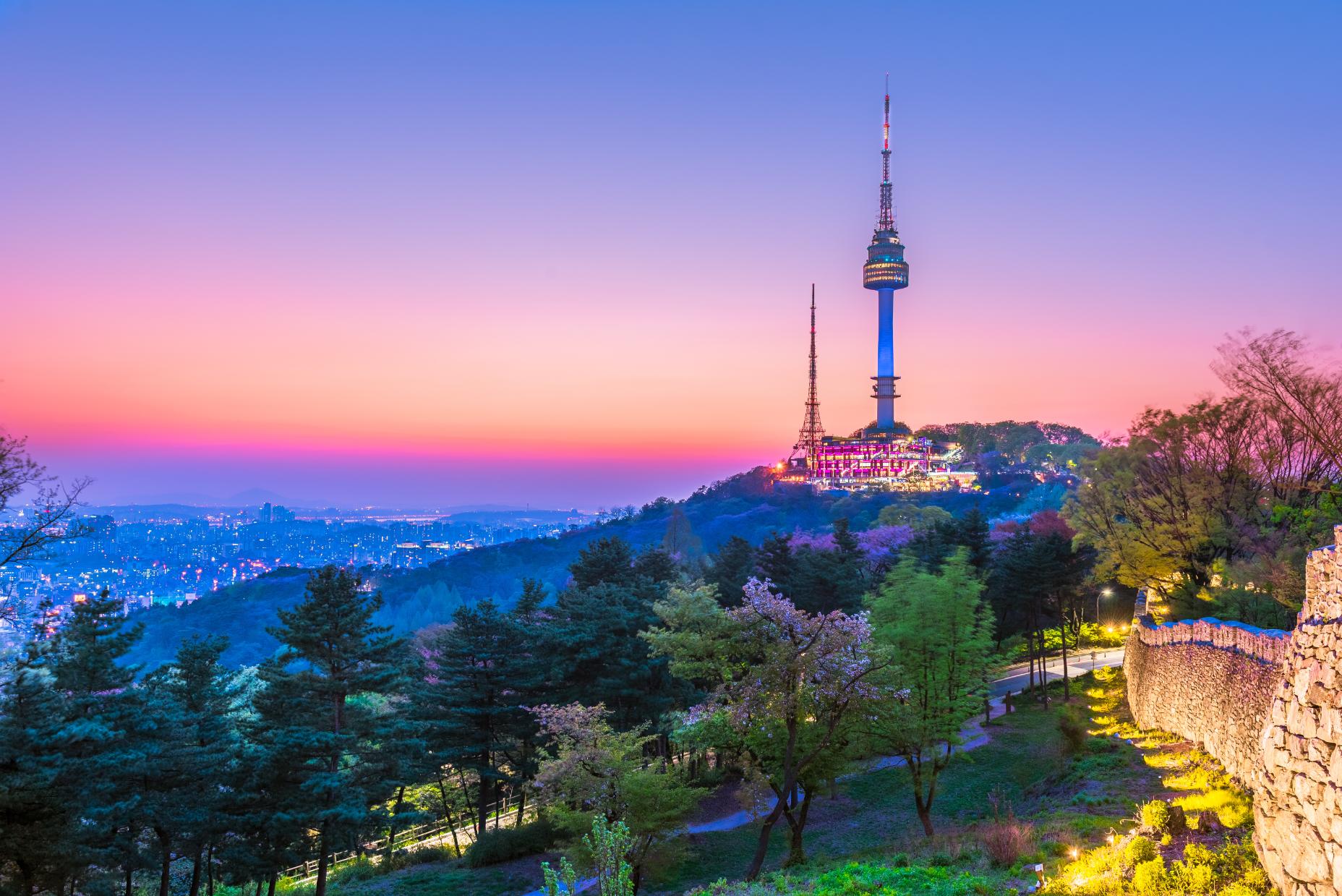
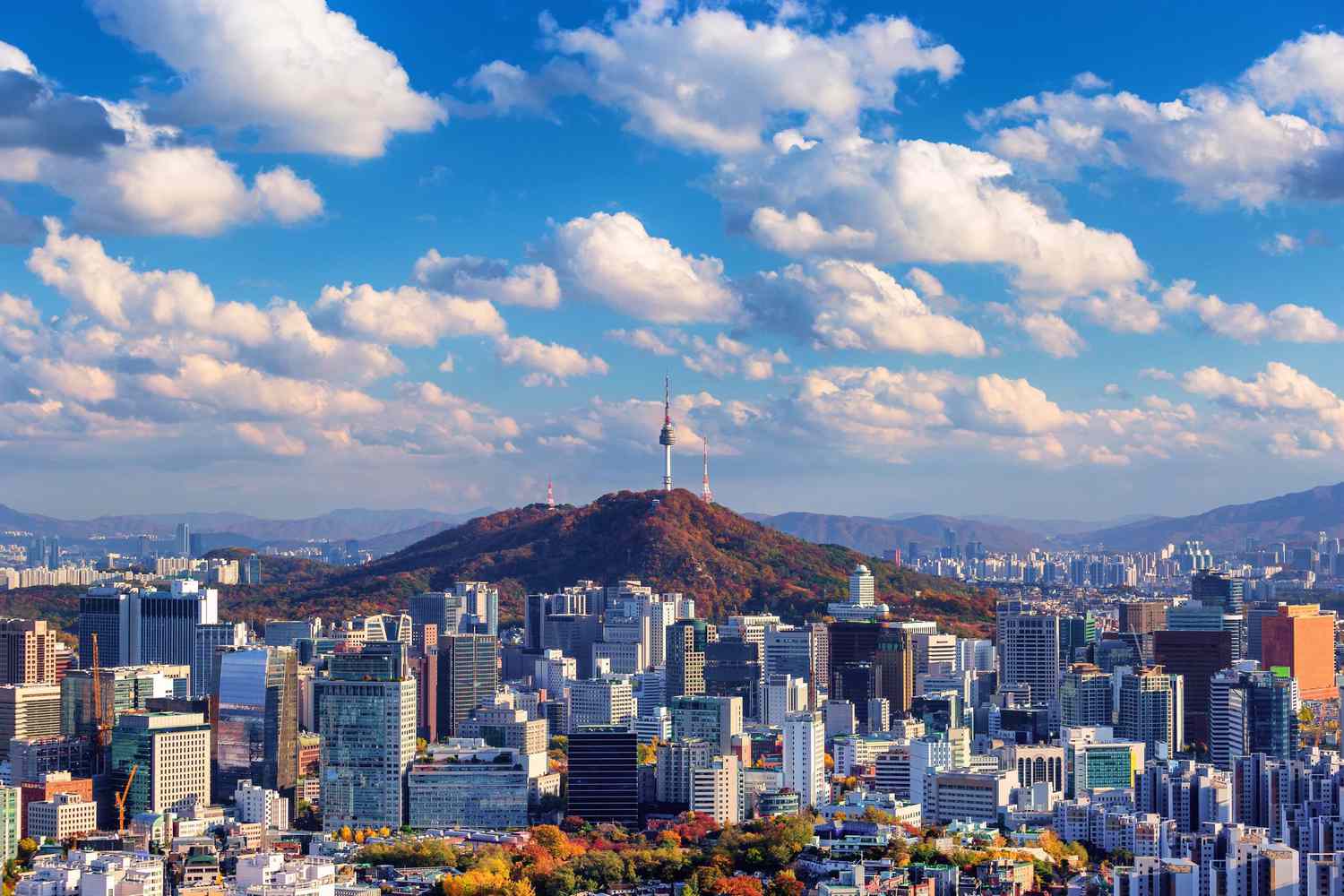
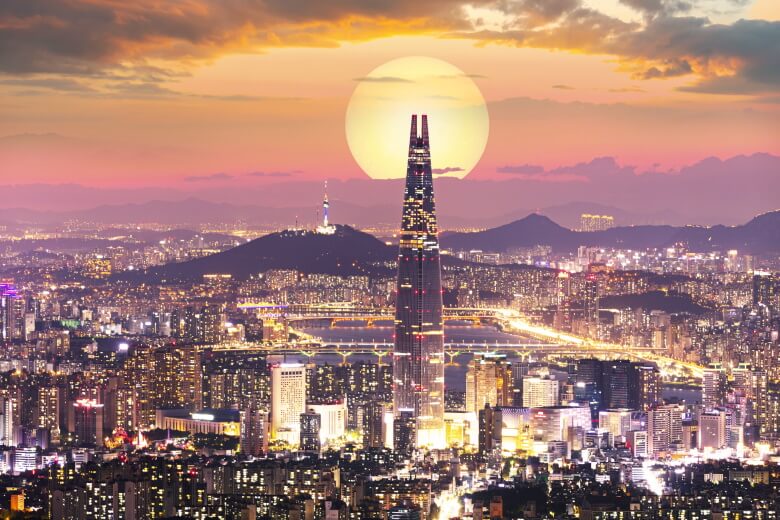
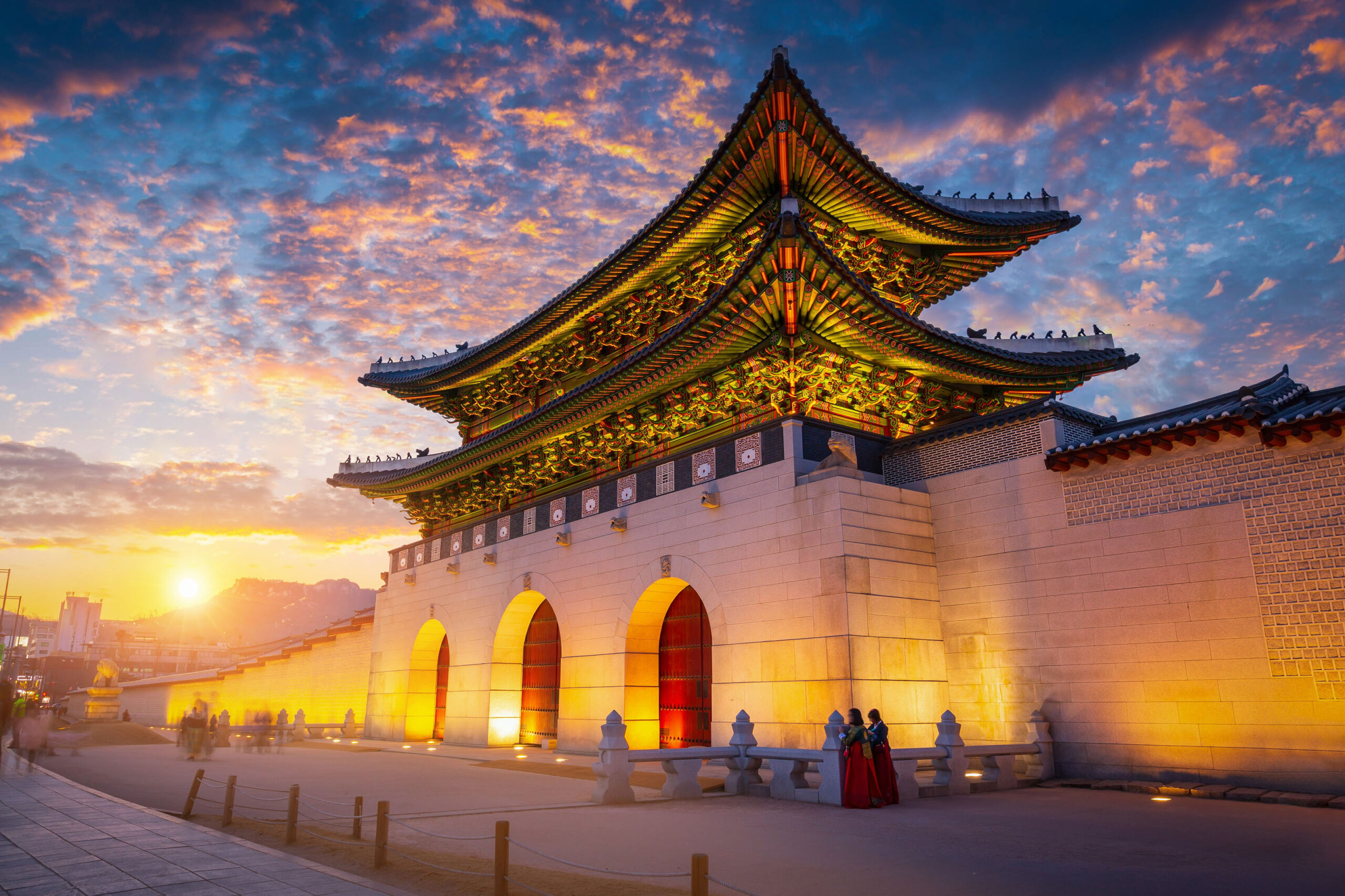
South Korea is a dynamic and culturally rich nation known for its rapid technological advancements, vibrant pop culture, and deep-rooted traditions. In just a few decades, it transformed from a war-torn country into a global economic powerhouse, leading in industries such as electronics, automobiles, and telecommunications with companies like Samsung and Hyundai. Seoul, its bustling capital, exemplifies this blend of the modern and traditional, with towering skyscrapers and cutting-edge technology coexisting alongside ancient palaces and temples. South Korean culture has gained international acclaim through K-pop, K-dramas, and cuisine, with dishes like kimchi, bibimbap, and Korean BBQ captivating global audiences. Despite its modernity, South Korea maintains a strong connection to its historical and cultural heritage, celebrating festivals like Chuseok and Seollal, and fostering a society that values education, respect, and community.
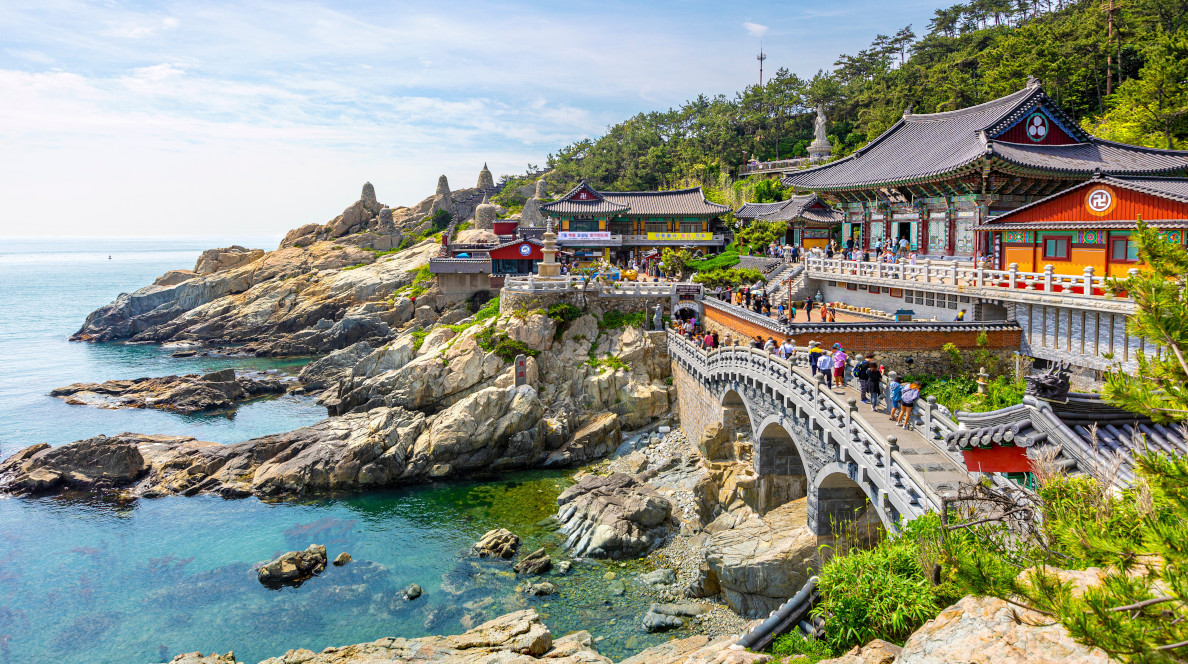
South Korea appeals to me because it isn’t easy to define. Its wealth of culinary opportunities echo Southeast Asia, while the modern city architecture rivals Japan. There’s a Chinese flair to the Buddhist-era temples, and a coastline of volcanic geology you’re more likely to find in Indonesia.
South Korea blends ancient traditions with modern city life. The country offers history, technology, nature, and pop culture together.
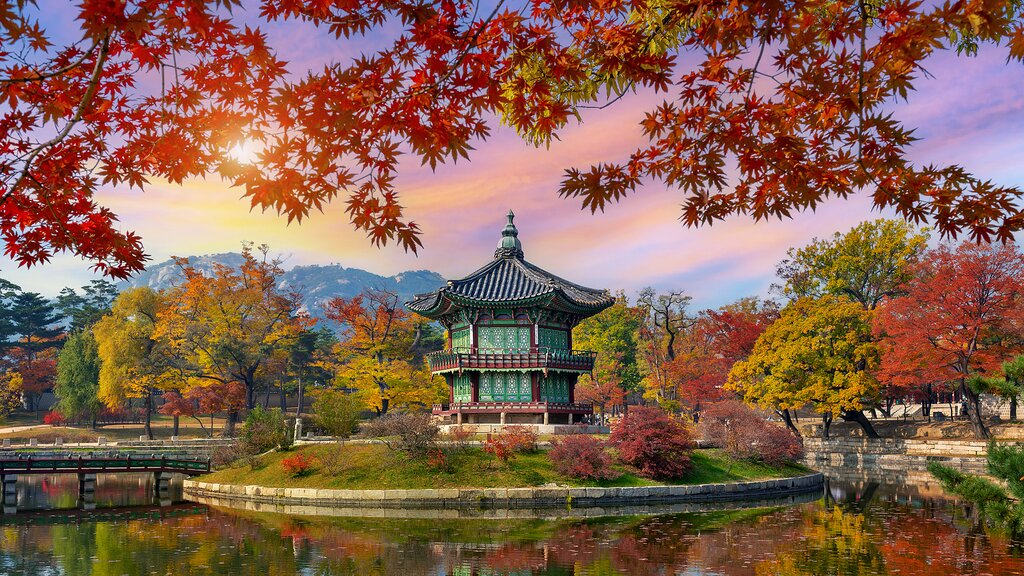
South Korea has mountains, coastlines, and vibrant cities. The country experiences four clear seasons. Spring and autumn are mild and scenic.
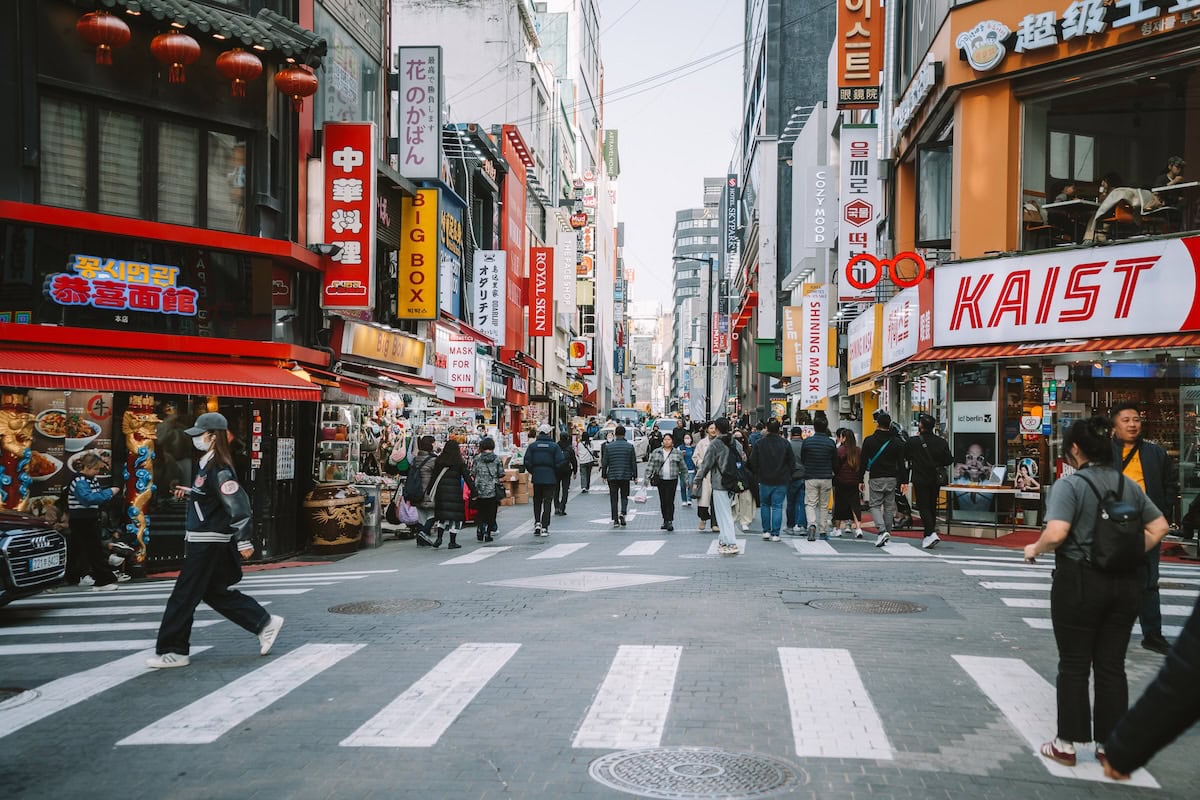
Seoul is the heart of culture, shopping, and nightlife. Busan is known for beaches, seafood, and coastal views. Incheon connects history with modern development. Jeju Island is famous for nature and honeymoon travel.
Palaces, temples, and traditional villages reflect deep history. Hanbok, tea rituals, and local markets enrich cultural tours. Festivals highlight seasonal traditions and local pride.
Jeju Island offers volcanoes, waterfalls, and coastal trails. Seoraksan National Park is ideal for hiking and autumn views. Cherry blossoms attract visitors in spring.
Korean food is flavorful and balanced. Popular dishes include Kimchi, Bibimbap, Bulgogi, and Tteokbokki. Street food is widely available in city areas.
South Korea is known for skincare and fashion shopping. K-pop, K-dramas, and cafés shape youth culture. Night markets and districts stay lively late.
Currency used is South Korean Won (KRW). Public transport is fast, clean, and tourist-friendly. Internet access is strong across the country.
April to June and September to October are ideal. These months offer pleasant weather and clear views.
South Korea suits culture lovers and city explorers. The country offers safe, organized, and exciting travel experiences.
No tours found.