

 Travel Diary
RANTHAMBORE - ONE OF THE BEST NATIONAL PARKS IN INDIA
A Visitor’s Guide to Ranthambore –one of the best National parks of India
If there’s one place in India where you truly feel the thrill of the wild, it’s Ranthambore National Park. Nestled in the rugged landscapes of Rajasthan, this park blends dramatic history, raw wilderness, and the unforgettable chance to see a tiger in its natural habitat.
As a visitor, Ranthambore is not just about spotting wildlife — it’s about the entire experience: early morning safaris, golden sunsets over ancient ruins, and the heartbeat-quickening moment when the jungle goes silent.
First Impressions :
Located near the town of Sawai Madhopur, Ranthambore feels wild from the moment you enter. The landscape is a stunning mix of:
Dry deciduous forests
Rocky hills and cliffs
Ancient banyan trees
Scenic lakes like Padam Talao
Adding to its mystique is the majestic Ranthambore Fort, a UNESCO-listed fort rising dramatically above the jungle.
The Safari Experience :
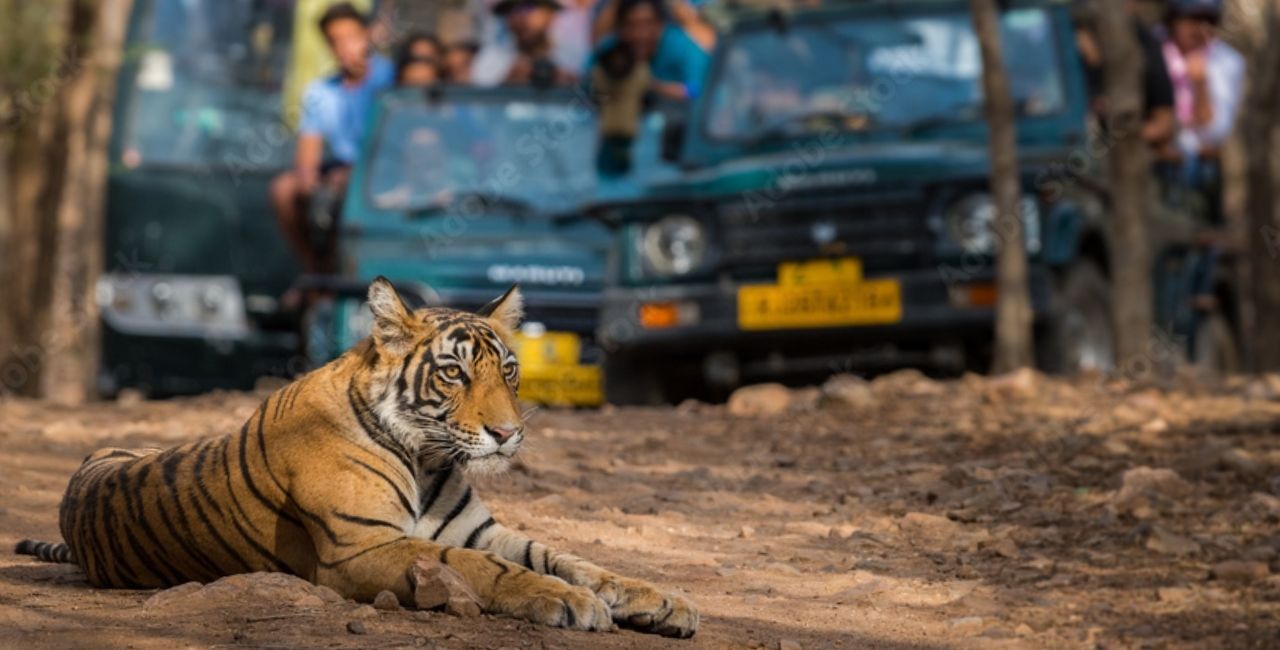
The safari is the highlight of any visit. Ranthambore is divided into 10 safari zones, each offering different terrain and wildlife experiences.
You can explore the park in two ways:
Jeep Safari (Gypsy) :
Best for: Smaller groups & serious wildlife lovers
6 passengers per vehicle
More flexible and agile
Better for photography
Higher chance of maneuvering for better tiger sightings
Ideal if you want a more intimate and focused safari experience.
Canter Safari :
Best for Budget travelers & larger groups
16–20 passengers
Open bus format
More economical
Slightly less flexible compared to jeep
Great option if you're traveling solo and want a cost-effective safari.
Safari Timings (Subject to Season) :
Safari timings change slightly depending on the season (sunrise and sunset hours).
Morning Safari :
October – March: 6:30 AM – 10:00 AM
April – June: 6:00 AM – 9:30 AM
Evening Safari :
October – March: 2:30 PM – 6:00 PM
April – June: 3:00 PM – 6:30 PM
The park is usually closed during monsoon (July to September), except for selected zones that may remain open.
Always arrive at the gate 30 minutes before departure for permit verification.
Wildlife You May Spot
Ranthambore is famous for its tiger population, but there’s so much more:
Royal Bengal Tigers
Leopards
Sloth bears
Marsh crocodiles
Striped hyenas
Sambar deer & spotted deer
Over 300 bird species
But make no mistake — spotting a tiger is pure luck and patience. When we heard the alarm call of deer echoing through the forest, every heartbeat felt louder. And then… there it was. A tiger emerging from the tall grass. That moment alone makes the trip unforgettable.
Best Time to Visit :
October to March: Pleasant weather, lush scenery
April to June: Hot but best time for tiger sightings (animals gather near water sources)
If you can handle the heat, summer increases your chances of tiger sightings.
Visitor Tips :
Book safaris well in advance (especially weekends & peak season).
Carry ID proof (mandatory for safari entry).
Wear neutral-colored clothes (avoid bright colors).
Bring sunscreen, hat, sunglasses.
Keep camera ready — but silence your phone.
Where to Stay ?
Most accommodations are located near Sawai Madhopur — ranging from budget lodges to luxury jungle resorts. Many hotels also arrange safari bookings.
Final Thoughts!
Visiting Ranthambore is not just a trip — it’s an adventure into India’s wild soul. Between ancient ruins, golden sunsets, and the possibility of locking eyes with a tiger, every safari drive feels like a story waiting to unfold.
If you’re planning a wildlife trip in India, Ranthambore deserves a top spot on your list.
Visiting Ranthambore isn’t just about ticking off a destination — it’s about experiencing India’s wild heart. It’s about early morning chills, dusty safari trails, ancient forts rising above forests, and the electrifying possibility of seeing a tiger in the wild.
Ranthambore leaves you humbled. And once you’ve heard the jungle breathe at dawn, a part of you will always want to return